What a summer camp actually does for a child, and what the evidence does not show
Every camp promises the same six things. Three of them have been measured, one failed to replicate, and two are measured almost entirely by the camp industry itself.
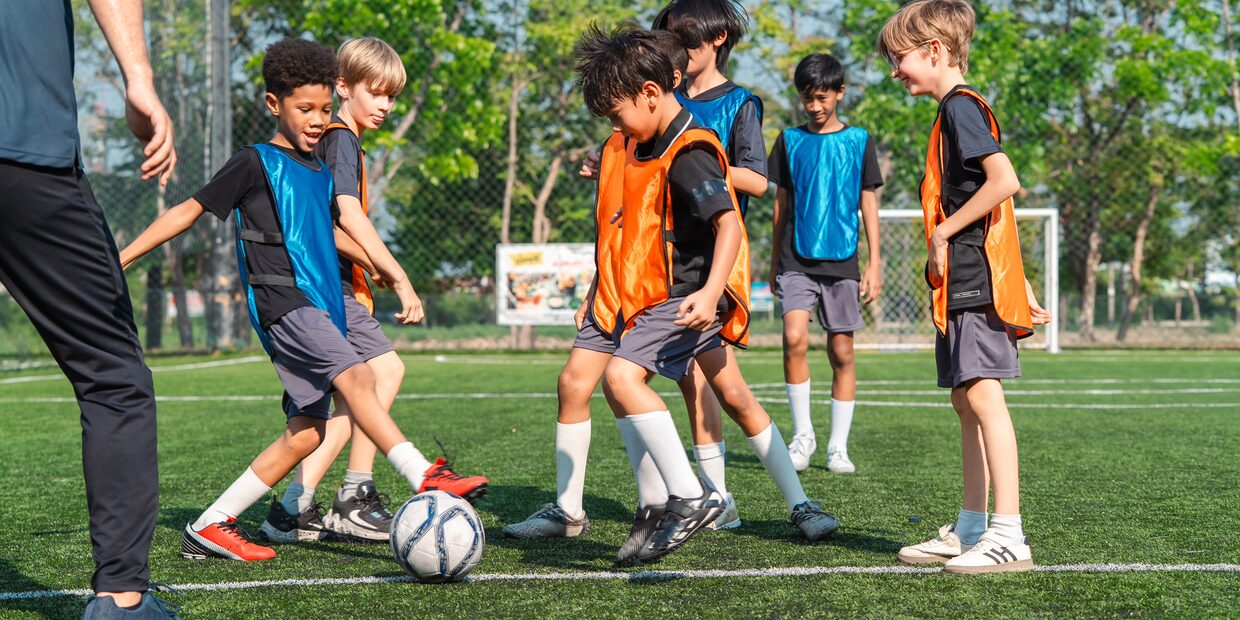
Read six camp websites and you will read the same six promises: independence, confidence, friendships, teamwork, less screen time, and no "summer slide" in September.
This is a page about which of those anybody has actually measured. It is not an argument against summer camps — three of the six hold up reasonably well. It is an argument against reading the benefits page of a camp website as though it were a finding.
What has been measured
The best current summary is a 2024 systematic review and meta-analysis of children's summer holiday programmes: ten studies, 1,446 children.
Three things moved:
| Outcome | Effect | |
|---|---|---|
| Sedentary behaviour | g = −0.59 | down, moderate |
| Moderate-to-vigorous physical activity | g = 0.35 | up, small |
| Adiposity | g = −0.25 | down, small |
Three things did not:
Cardiorespiratory fitness, energy intake and diet quality all came out non-significant. A week of camp moved how much children sat down. It did not measurably move how fit they were or what they ate.
Then read the caveats, because the authors put them first. Only two of the ten studies were randomised. Five of the ten were rated at high risk of bias, four at moderate, one at low. The sedentary-behaviour result carried high statistical heterogeneity (I² = 71%), which means the studies disagreed with each other more than chance explains.
For context: the WHO recommends children aged 5 to 17 average 60 minutes a day of moderate-to-vigorous activity across the week. A football camp will comfortably clear that. So, for what it is worth, will a fortnight of playing outside with friends.
The one that fell over
"Prevents the summer slide" is the most confident claim on most camp websites, and it is the one standing on the weakest ground.
In 2023 Workman, von Hippel and Merry tried to reproduce the classic summer-learning-loss findings using three modern datasets tracking American primary-school children. Most of the patterns did not generalise beyond a single test. Summer losses appeared on some assessments and not others; achievement gaps grew on some and not others; and where gaps did grow, they did not consistently grow faster over the summer than during term time.
Von Hippel, who spent years on this question, put it plainly: he is no longer sure the average child loses months of skills each year.
That does not prove summer learning loss is nothing. It means the foundation under a claim you will read as settled fact is contested by the people who study it.
Where "confidence" and "friendships" come from
Almost all of it comes from one place: the American Camp Association's Youth Outcomes Battery and its National Camp Impact Study — around 5,000 campers, measured before and after camp by self-report, with staff and parent reports alongside.
That research is not worthless and we are not calling it dishonest. But know what it is. It is run by the camp industry's own trade body, on children who chose to go to camp, with no control group, and it mostly asks children at the end of a good week whether they made friends and felt independent. Children at the end of a good week say yes.
If you see "campers report increased independence" on a Spanish camp's website, that sentence is almost certainly descended from this work, several translations removed, with the caveats stripped.
What nobody measures
Three things you will not find on any benefits page:
Homesickness. It is common, it is normal, and how an operator handles it is a real difference between camps. Almost none of them publish their policy.
The children for whom it does not work. Every outcome above is an average. Averages contain the child who spent the week miserable.
What else the money could have done. A week of residential camp in Spain runs into several hundred euros. Nobody publishes a comparison against a fortnight at the local club for a fraction of it, because nobody selling the first has a reason to.
What to do with this
The defensible reason to send a child to a football camp is the plain one: they will spend a week playing a lot of football with other children, in a place they do not know, and most children enjoy that. The activity effects above are real and modest. The rest is hope, which is fine — most good decisions about children are made on hope.
What is not fine is an operator presenting hope as a measurement. When a camp page says a week will make your child more confident, ask where the number comes from. On this site, every figure we publish links to the page it came from and the date we read it. Ask the same of anyone selling you a week.
Sources
- Eglitis E, Singh B, Olds T, et al. Health effects of children's summer holiday programs: a systematic review and meta-analysis. International Journal of Behavioral Nutrition and Physical Activity, 2024;21:119.
- Workman J, von Hippel PT, Merry J. Findings on Summer Learning Loss Often Fail to Replicate, Even in Recent Data. Sociological Science, 2023;10:251–285.
- World Health Organization. Guidelines on physical activity and sedentary behaviour, 2020.
- American Camp Association. Youth Outcomes Battery and National Camp Impact Study.
Common questions
- So are you saying summer camps do not work?
- No. The activity findings are real: children at a summer programme sit down less and move more than children left to an unstructured summer. What we are saying is that those are modest, measured effects, and that the larger claims on most camp websites are not measured at all.
- Why does this site publish an article that argues against camps?
- It does not argue against camps — it argues against unsourced claims, which is the same thing this directory does with prices and safety. We would rather a family booked a camp for a reason that holds up than for one that does not.